Subscribe

Calendar

June 2013
MTW TFSS
     12
3456789
10111213141516
17181920212223
24252627282930

Weather at Blithewold

  • Weather for Bristol, RI
    Today
    It is forcast to be Chance of a Thunderstorm at 11:00 PM EDT on June 18, 2013
    Chance of a Thunderstorm
    77/57


  • Follow Me on Pinterest

  • Blithewold Mansion

    Create Your Badge


  • An eye out for Creepy

    October 31st, 2007 by Kristin Green

    I went looking for Halloween this morning. I think I found it. Tupelo (Nyssa Sylvatica) and a Cottonwood in the distance
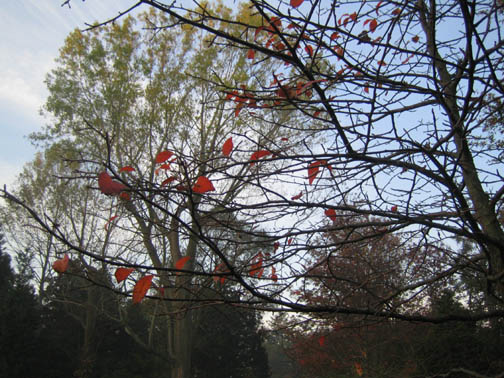
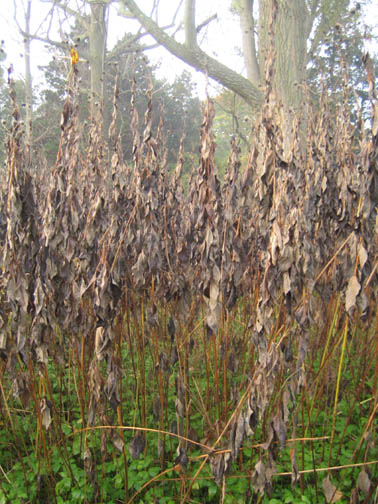
    Mary’s Tupelo (Nyssa sylvatica) is dressed in red rags for the costume party. And the Jerusalem artichokes (Helianthus tuberosus) looked like a legion of ghouls advancing out of the mist…Jerusalem artichokes - Helianthus tuberosus
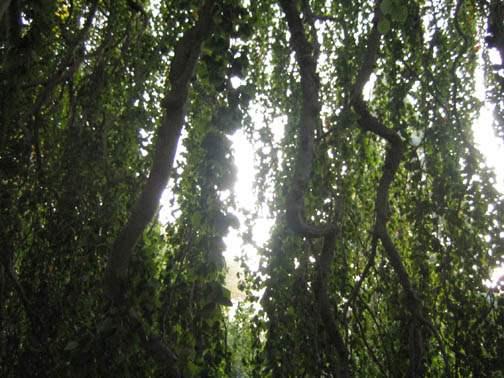
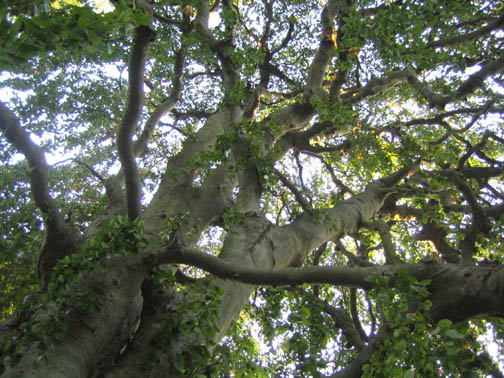
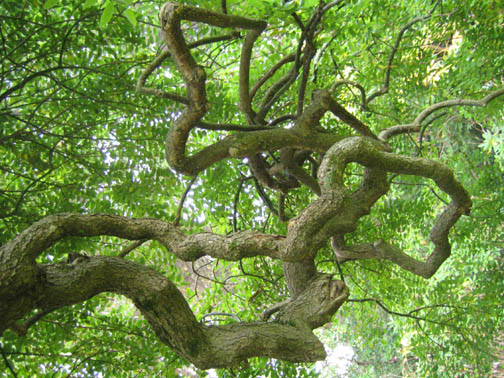
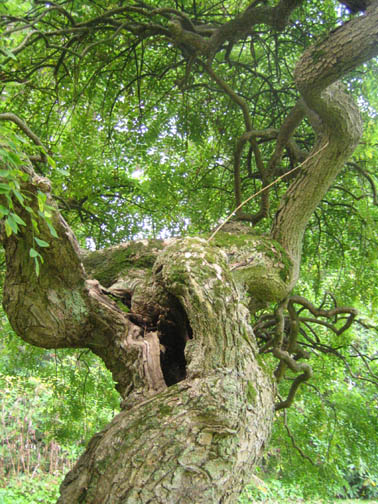
    Creepy lives in the weeping trees.

    Weeping European beech - Fagus sylvatica ‘Pendula’Weeping European beech - Fagus sylvatica ‘Pendula’ - a haunt-able treeWeeping Pagoda Tree armsWeeping Pagoda Tree - Sophora japonica ‘Pendula’

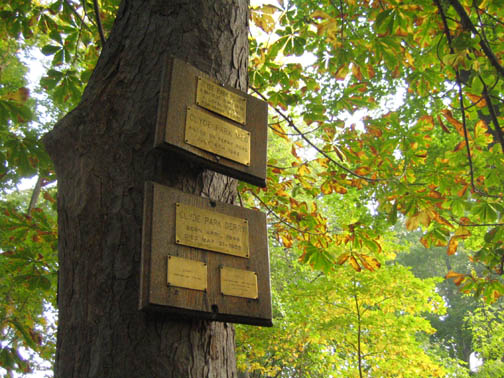
    The family might not have actually buried their dogs in the Bosquet but the terriers are still chasing squirrels here – I could sense it.pet cemetary
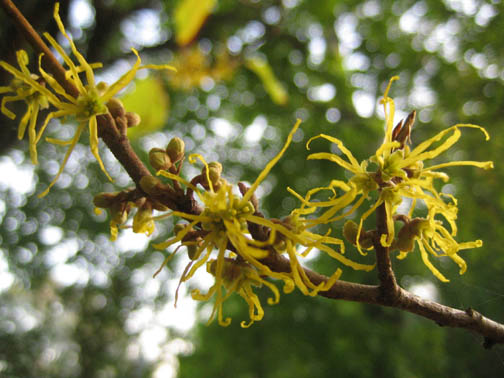
    There are days for Mothers, Grandparents, Secretaries – and Goblins! Today is the day to celebrate your inner goblin and look for Creepy in your garden too – Happy Halloween!Common witch hazel - Hamamelis virginiana
    3 Responses to “An eye out for Creepy”

    1. Layanee Says:

      I think you did find it! Love your misty morn photos and the twisted trees. Witch hazel is dressed in her finest! The artichokes look particularly ratty!

    2. jodi Says:

      Very fun–looks like we have more candidates for the Dr. Suess Garden, here! Is the witch hazel flowering now? I must go look in the woods….

    3. Kris Says:

      Layanee, I had the best walk that morning!

      Jodi, Dr. Suess is everywhere! Common witch hazel (Hamemelis virginiana) blooms now – even before all its leaves have dropped – the other ones (like H. japonica, H.x intermedia, H. mollis, etc) bloom mid-late winter. (There’s nothing like the surprise of a shrub that looks fire-lit that time of year!)

    Leave a Reply